Workplace safety
PUWER training: safe use of work equipment
The Provision and Use of Work Equipment Regulations 1998 cover the safety of almost every machine and tool used at work, and the training everyone who uses them needs.
What it means
The law behind every machine at work
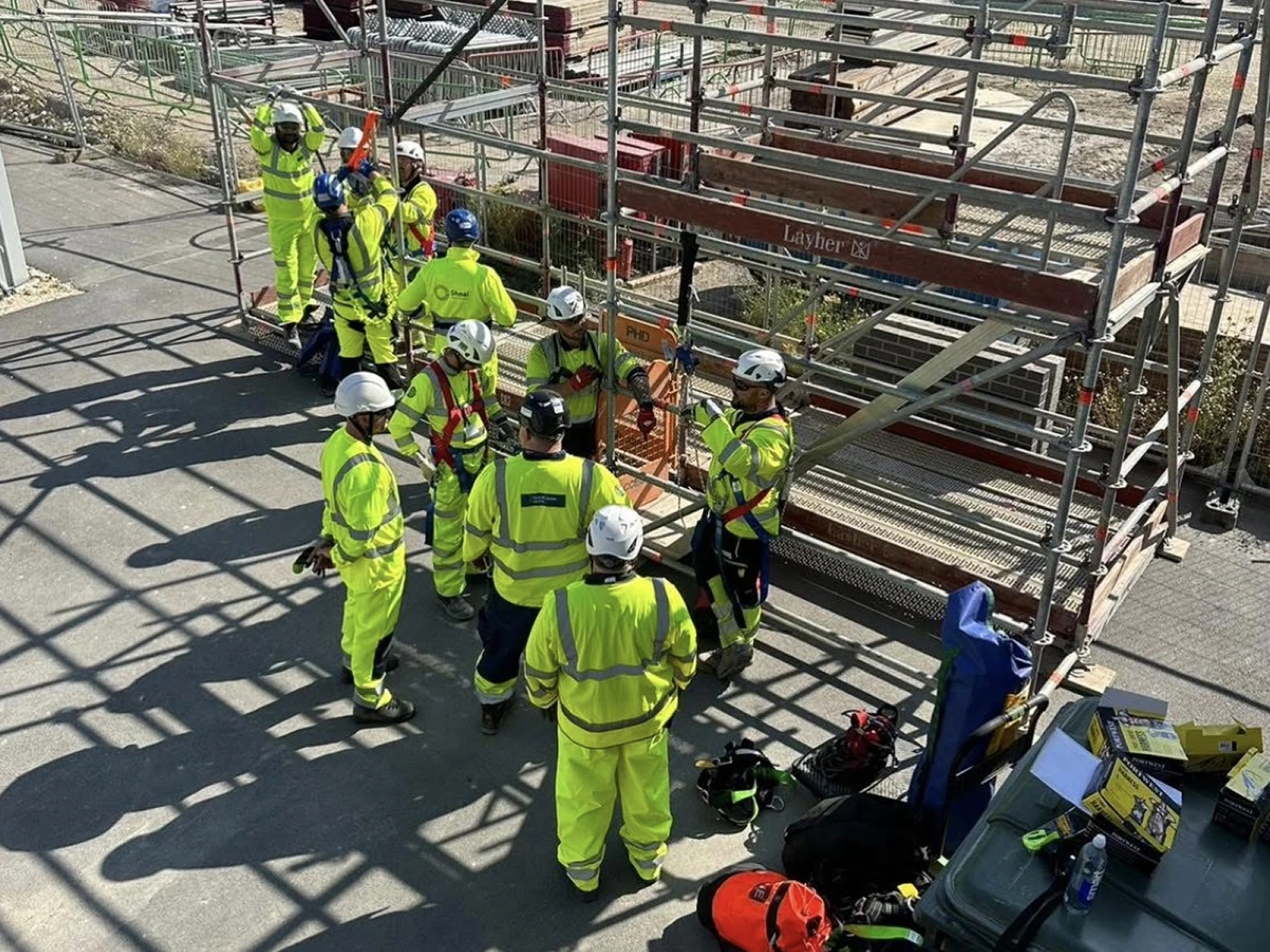
PUWER applies to work equipment of every kind: hand tools, workshop machinery, ladders, forklifts, telehandlers, excavators and lorry loaders. If it is used at work, PUWER almost certainly covers it.
The duties fall on employers, the self-employed and anyone who controls how equipment is used. In short, the right equipment has to be chosen, kept in safe condition, and only used by people who have been properly trained, along with the supervisors and managers responsible for them.
Lifting equipment such as forklifts, telehandlers and lorry loaders also falls under LOLER, the Lifting Operations and Lifting Equipment Regulations 1998, which adds thorough examinations and lift planning.
- Suitable equipment
- Equipment must be right for the job and the conditions it is used in.
- Maintenance and inspection
- Kept in good repair, with inspections where safety depends on it, and records kept.
- Information and training
- Users, supervisors and managers must have adequate information, instructions and training.
- Guards and controls
- Dangerous parts guarded, with proper controls, emergency stops, isolation and warnings.
- Mobile work equipment
- Roll-over protection, seat belts and safe arrangements for carrying people.
The course
PUWER training at Nithcree
For operators who use work equipment, and for the supervisors and managers responsible for it. Ask us about dates and group bookings.
Who it’s for
Anyone responsible for work equipment
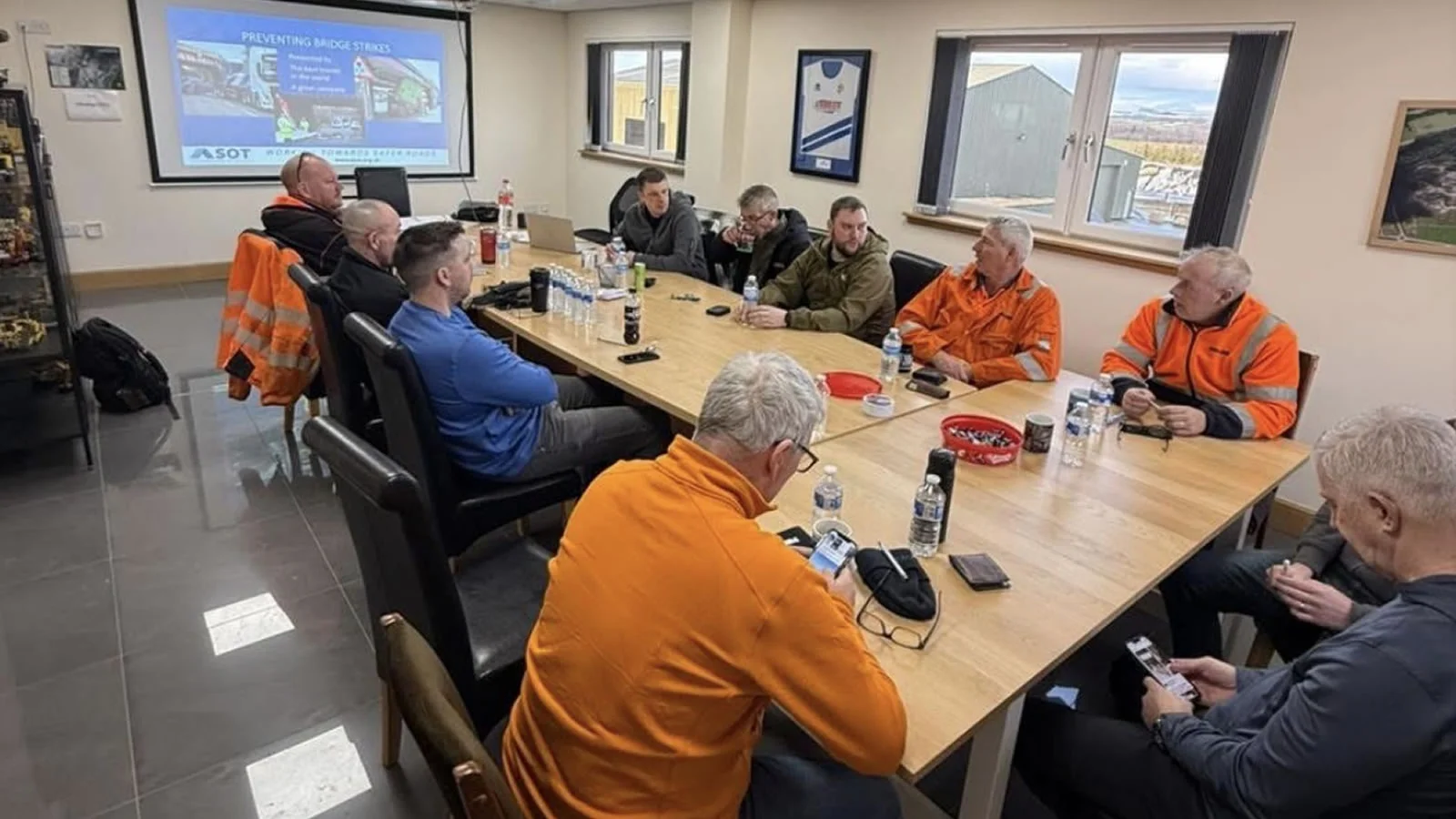
PUWER applies in every sector: construction, agriculture, forestry, warehousing, haulage, manufacturing and workshops. The course suits operators who want to understand why the rules exist, and supervisors and managers who need to know what the law expects of them.
PUWER training explains the duties. Machine-specific courses then show that an operator is competent on a particular machine.
Work equipment resources- Forklifts. RTITB counterbalance and NPORS counterbalance training.
- Lorry loaders. ALLMI lorry loader (HIAB) training.
- Plant. 13 NPORS plant courses, from telehandlers to excavators.
- Official guidance. HSE: PUWER 1998.
Questions
PUWER questions
What is PUWER?
PUWER is the Provision and Use of Work Equipment Regulations 1998. It is the law that covers almost all equipment used at work in Great Britain, from hand tools to forklifts and plant. It requires that equipment is suitable for the job, maintained, inspected where needed, and used only by people who have had adequate information, instruction and training.
Who does PUWER apply to?
Employers, the self-employed, and anyone who has control over how work equipment is provided or used. It covers the people who operate equipment and the supervisors and managers responsible for them.
Is PUWER training a legal requirement?
PUWER requires that everyone who uses, supervises or manages the use of work equipment has received adequate training. The regulations do not name a specific course, but recorded training from a recognised provider is a clear way to show you have met that duty.
What is the difference between PUWER and LOLER?
PUWER covers all work equipment. LOLER (the Lifting Operations and Lifting Equipment Regulations 1998) adds extra duties for lifting equipment, such as thorough examinations and planning lifts. Forklifts, telehandlers and lorry loaders are covered by both.
Does PUWER cover forklifts and plant?
Yes. PUWER has a section on mobile work equipment that covers roll-over protection, seat belts and carrying people. Operator training such as our RTITB forklift and NPORS plant courses shows operators are competent on a specific machine.
Ready when you are
Book a course or ask a question