For trainees
Trainee resources
The forms, official guidance and practice material we point our trainees to, in one place. Each section includes a plain-English note on what it all means and where it fits in your training.
Step 1
Getting your provisional lorry licence
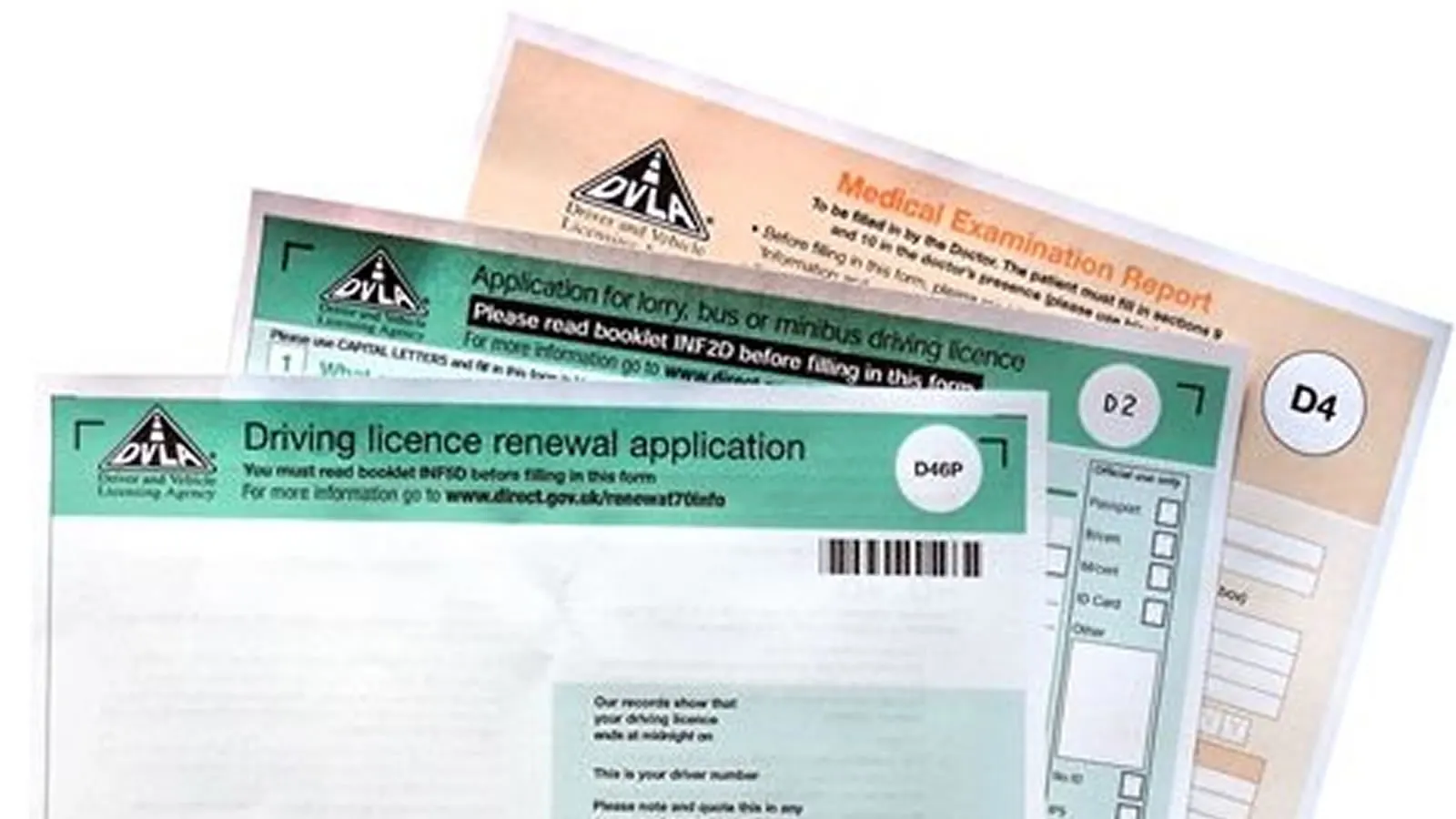
Before you can book theory tests or train in a lorry, the DVLA has to add provisional lorry entitlement to your licence. That takes two forms: the D2 application and the D4 medical report, filled in by a doctor.
We can arrange your medical with Drivers Medical Solutions. Their doctor brings the D2 and D4 forms, so you don’t need to order them. There is no fee for adding provisional entitlement. Post both forms to the DVLA with your photocard licence. We recommend Special Delivery. Allow three to four weeks.
Your licence comes back looking the same, apart from a new issue number, and the provisional entitlement is not printed on the card. Check it online, or call us and we will check it and print a copy for your training file.
- Nithcree guideHow to get your HGV licence, step by stepEvery stage, from medical to Driver Qualification Card, in order.
- Word document · 17 KBSo you want to be an HGV driverOur printable guide to the medical, theory tests and Direct Access C+E training.
- GOV.UKOrder DVLA formsD2 and D4 forms, and digital tachograph card applications.
- GOV.UKView your driving licenceCheck your provisional lorry entitlement once the DVLA has added it.
Step 2
Theory tests
There are three theory tests. You can’t book them until your provisional entitlement is on your licence, so start revising while your forms are with the DVLA.
- Multiple choice
- 100 questions in 1 hour 15 minutes. Pass mark: 85.
- Hazard perception
- 19 video clips of about a minute each. Pass mark: 67 out of 100.
- Driver CPC case studies
- 50 questions across 6 to 8 case studies in 1 hour 15 minutes. Pass mark: 40.
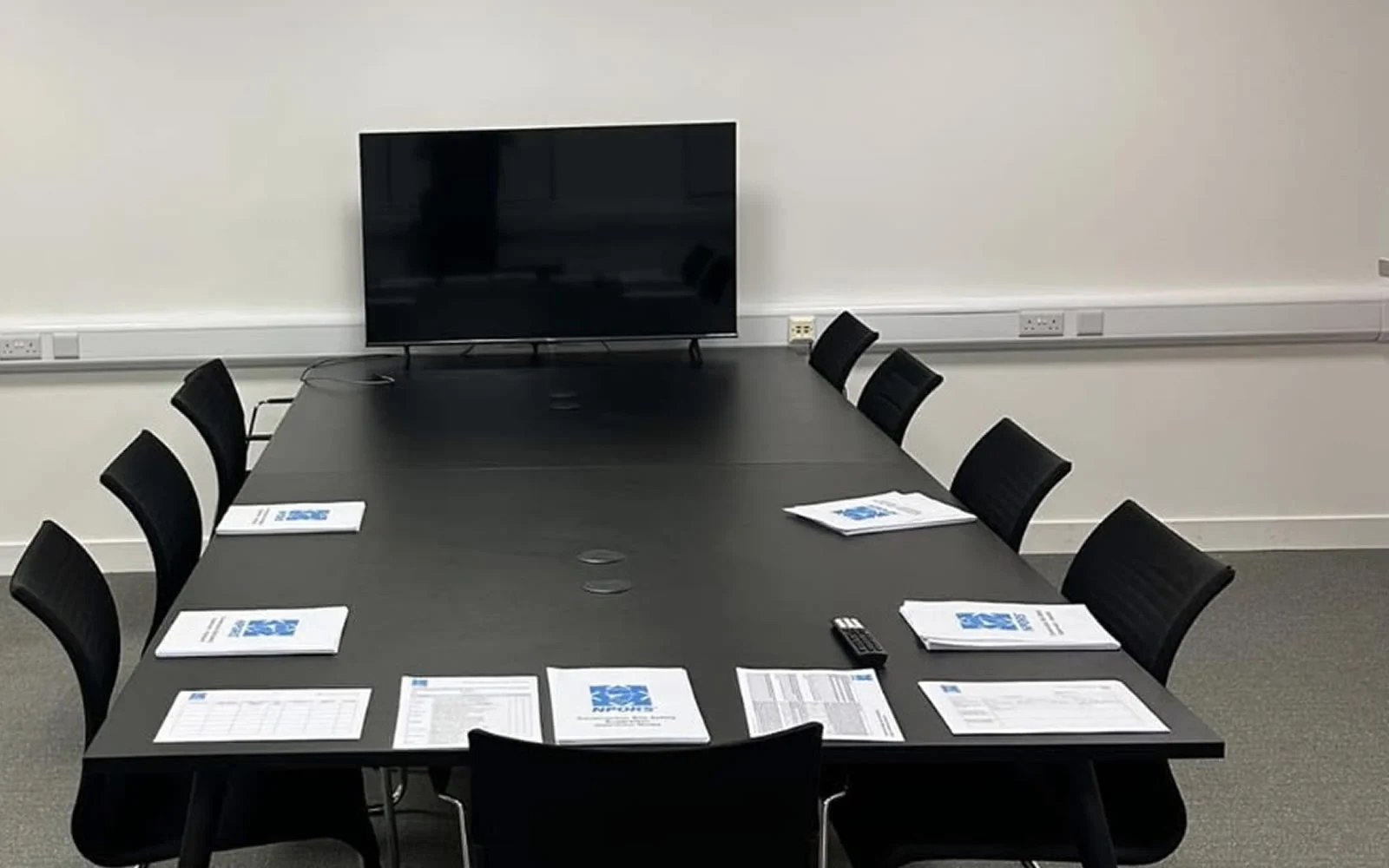
If you are training with us, we book your theory tests with you. You can also have free one-to-one theory tuition with mock tests at our Dumfries centre, or we can enrol you on DTS Anytime, an online platform covering all three tests, where we can follow your progress and spot where you need help. The official book is The Official DVSA Theory Test for Drivers of Large Vehicles.

The video loads from YouTube when you press play.
Professional drivers
Driver CPC Module 4
Module 4 is the Driver CPC practical demonstration test, taken by everyone who will drive a lorry for a living. Rather than driving, you show the examiner that you know how to keep yourself, your load and other people safe. It covers:
- Loading the vehicle safely
- Keeping the vehicle and its load secure
- Preventing criminality and people trafficking
- Assessing emergency situations
- Preventing physical risks
Our training video walks through section 1, loading the vehicle, using the demonstration cage at our centre. Module 4 training and the test are built into our Direct Access C+E course.
Once you’re driving
Driver CPC periodic training
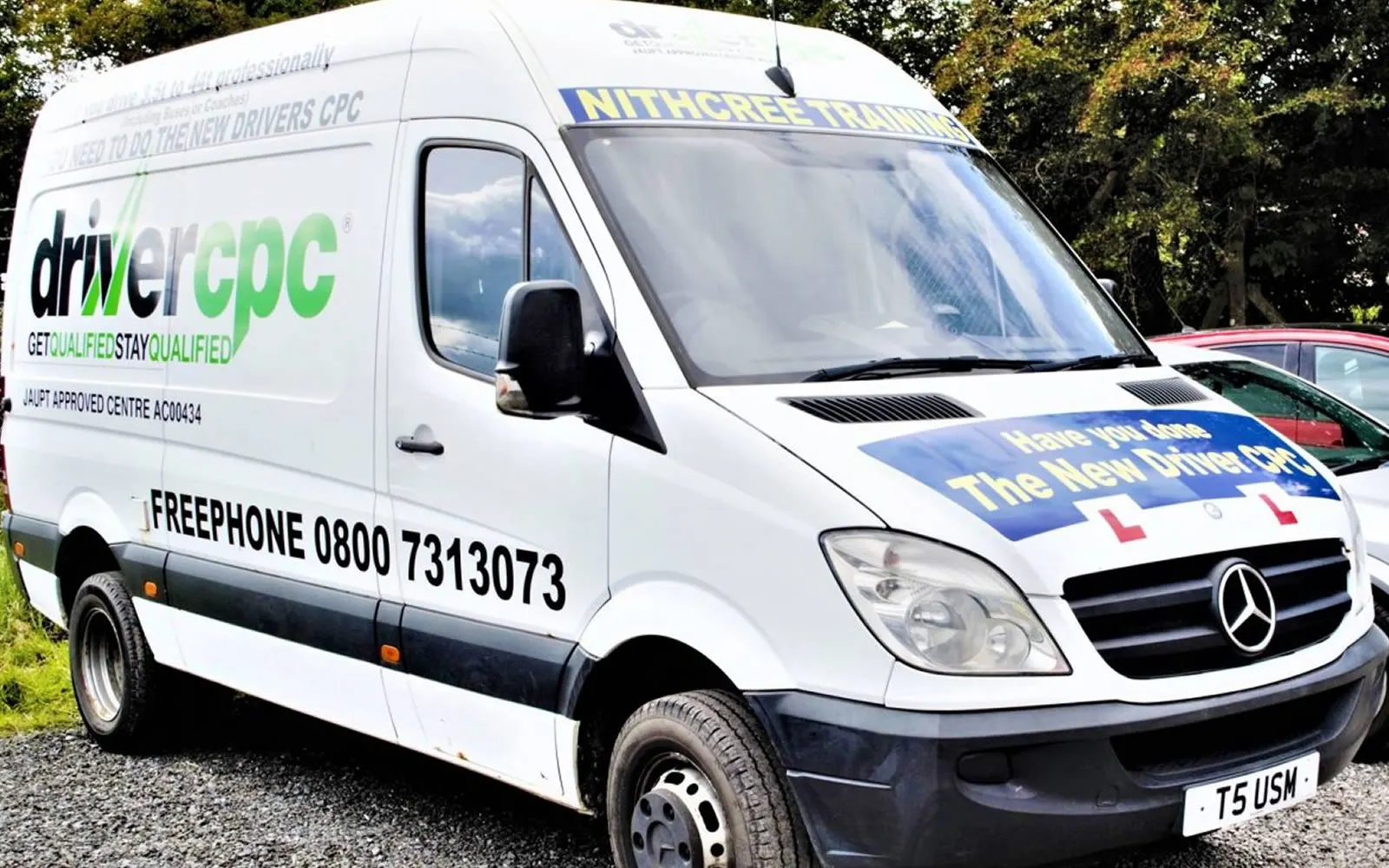
To keep your Driver Qualification Card (DQC) valid, you need 35 hours of periodic training every five years. Each course is approved by JAUPT (the Joint Approvals Unit for Periodic Training), and your hours are uploaded to your DVSA record, which you can check at any time.
Not everyone needs Driver CPC. If you drive a lorry for non-commercial reasons, or only as a minor part of a job that isn’t driving, you may be exempt. The GOV.UK examples below help, and we are happy to talk it through. Ready to book? See our Driver CPC periodic training.
- GOV.UKCheck your Driver CPC hoursSee which hours are on your record and when your DQC runs out.
- GOV.UKDriver CPC trainingWhat periodic training involves and how it is recorded.
- GOV.UKWhen you don’t need Driver CPCThe exemptions, in summary.
- GOV.UKDriver CPC exemption examplesWorked examples of who is and isn’t exempt.
- JAUPTJoint Approvals Unit for Periodic TrainingThe body that approves Driver CPC courses and centres.
On the road
Drivers’ hours and DVSA enforcement
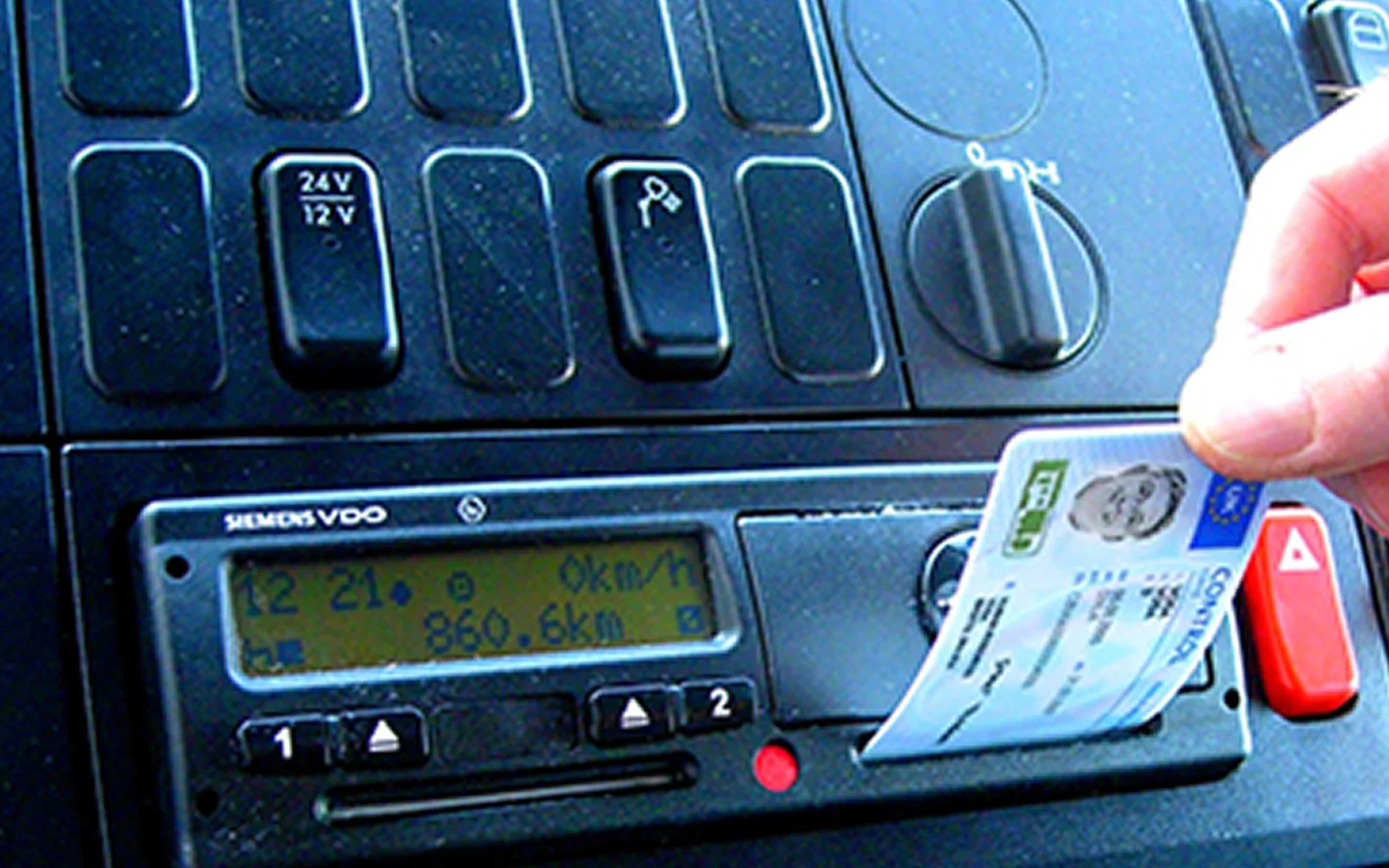
Drivers’ hours rules limit how long you can drive, when you must take breaks and how much rest you need each day and week. Your tachograph records it all, and DVSA examiners check those records at the roadside and at operators’ premises.
The DVSA enforcement sanctions policy sets out what examiners do for each type of offence, from a verbal warning to a prohibition or a fixed penalty. It is a long reference document of over 400 pages, so use your PDF viewer’s search to find what you need. Drivers’ hours are covered in detail in our Driver CPC courses.
Car and trailer
Towing rules
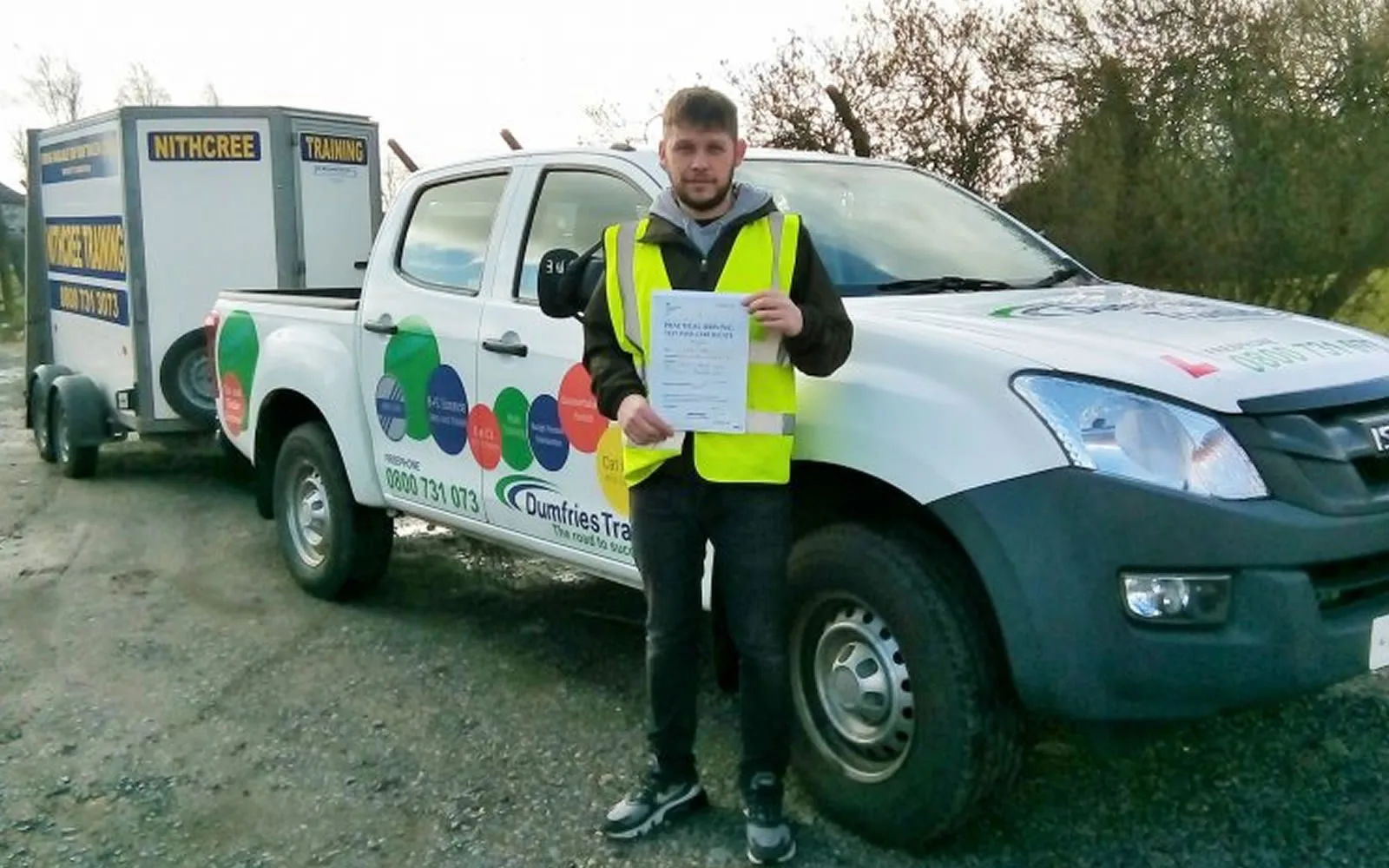
Since December 2021, anyone with a full car licence can tow a trailer of up to 3,500kg without a separate test. The licence is only half the story, though. What you can actually tow depends on your vehicle’s towing limit, its gross train weight and how the trailer is loaded, and those are the rules most often broken.
Our B+E towing course covers hitching, load security, weight limits and reversing.
ADR
Carrying dangerous goods
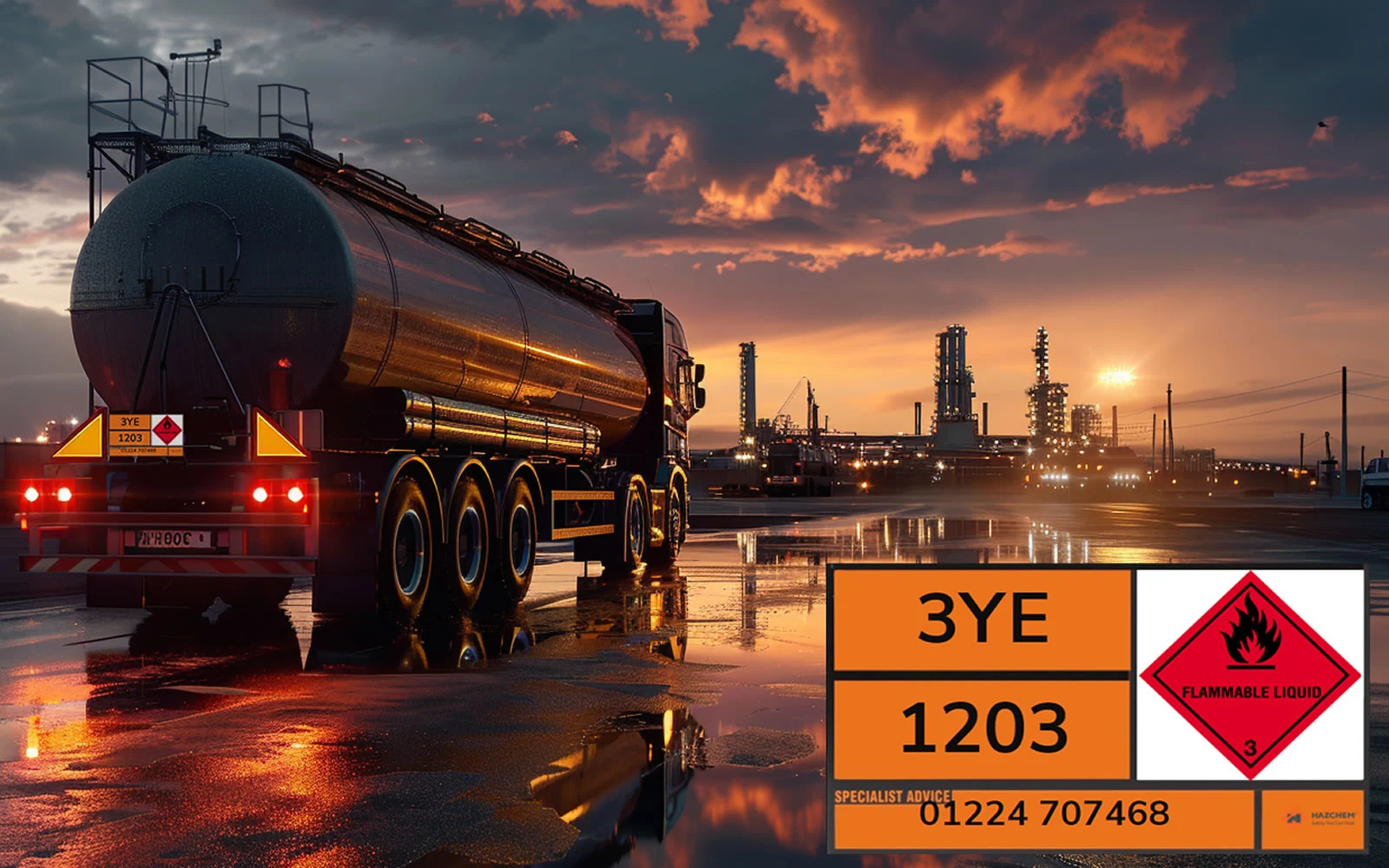
Fuel, gas, chemicals and many everyday products count as dangerous goods when they are moved by road. The rules are based on the international ADR agreement, and they cover how goods are classified, packaged, labelled and documented, how vehicles are marked, and the training drivers need.
The HSE and GOV.UK guidance below is the official reference. Our ADR course turns it into what you need to know in the cab.
- HSECarriage of dangerous goodsHSE’s overview for drivers and operators.
- HSECarriage regulationsThe regulations that apply in Great Britain.
- HSECarriage of Dangerous Goods ManualDetailed guidance, topic by topic.
- GOV.UKTransporting dangerous goodsGovernment guidance collection.
- GOV.UKMoving dangerous goods internationallyRules for journeys outside the UK.
Lift trucks
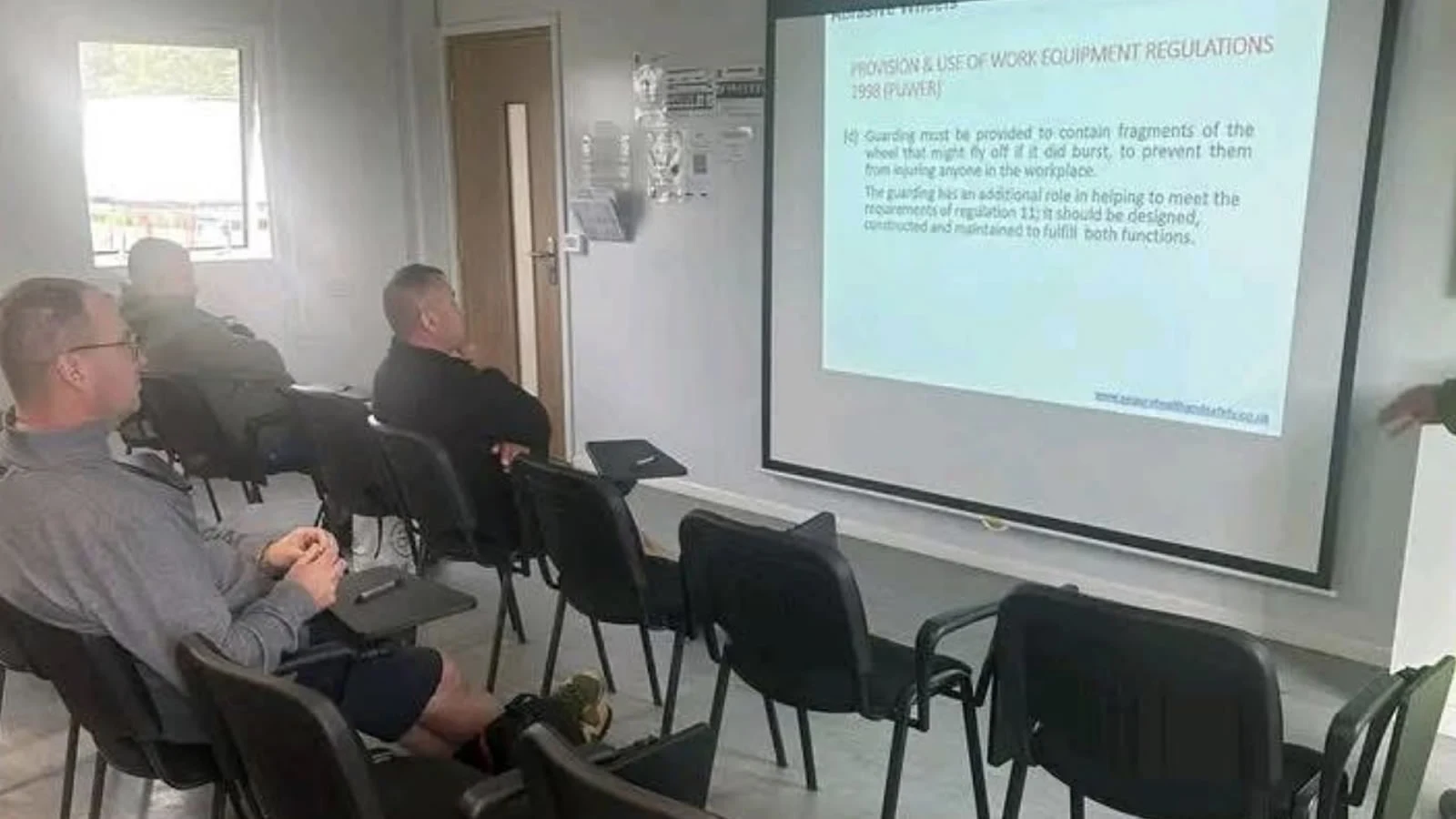
Forklifts and work equipment (PUWER)
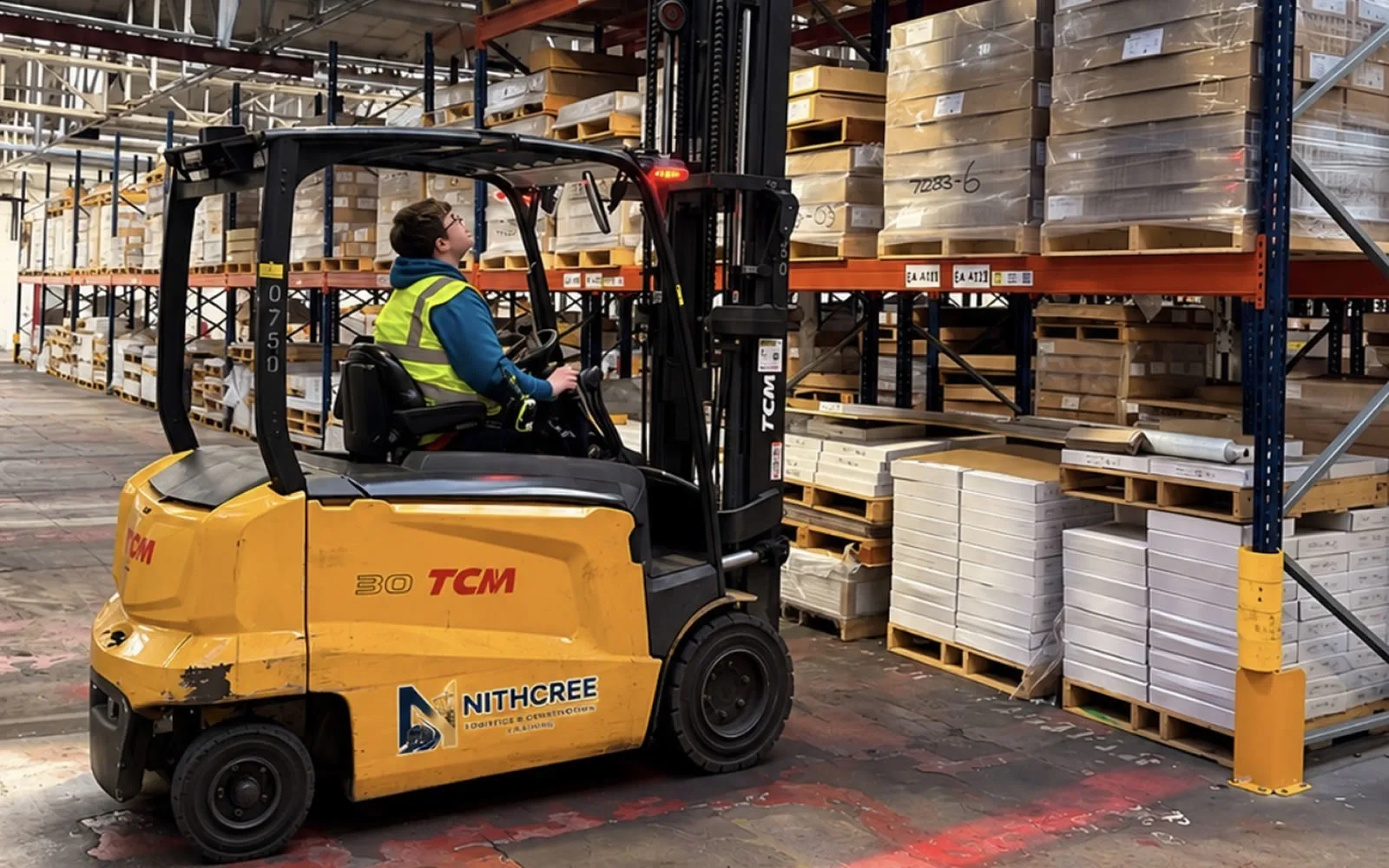
Lift trucks are behind many serious workplace transport accidents, which is why employers must make sure operators are properly trained and assessed. HSE’s guidance explains what good training, supervision and safe working look like.
We run RTITB counterbalance forklift and NPORS counterbalance courses, plus ALLMI lorry loader training.
NPORS
Plant operator cards
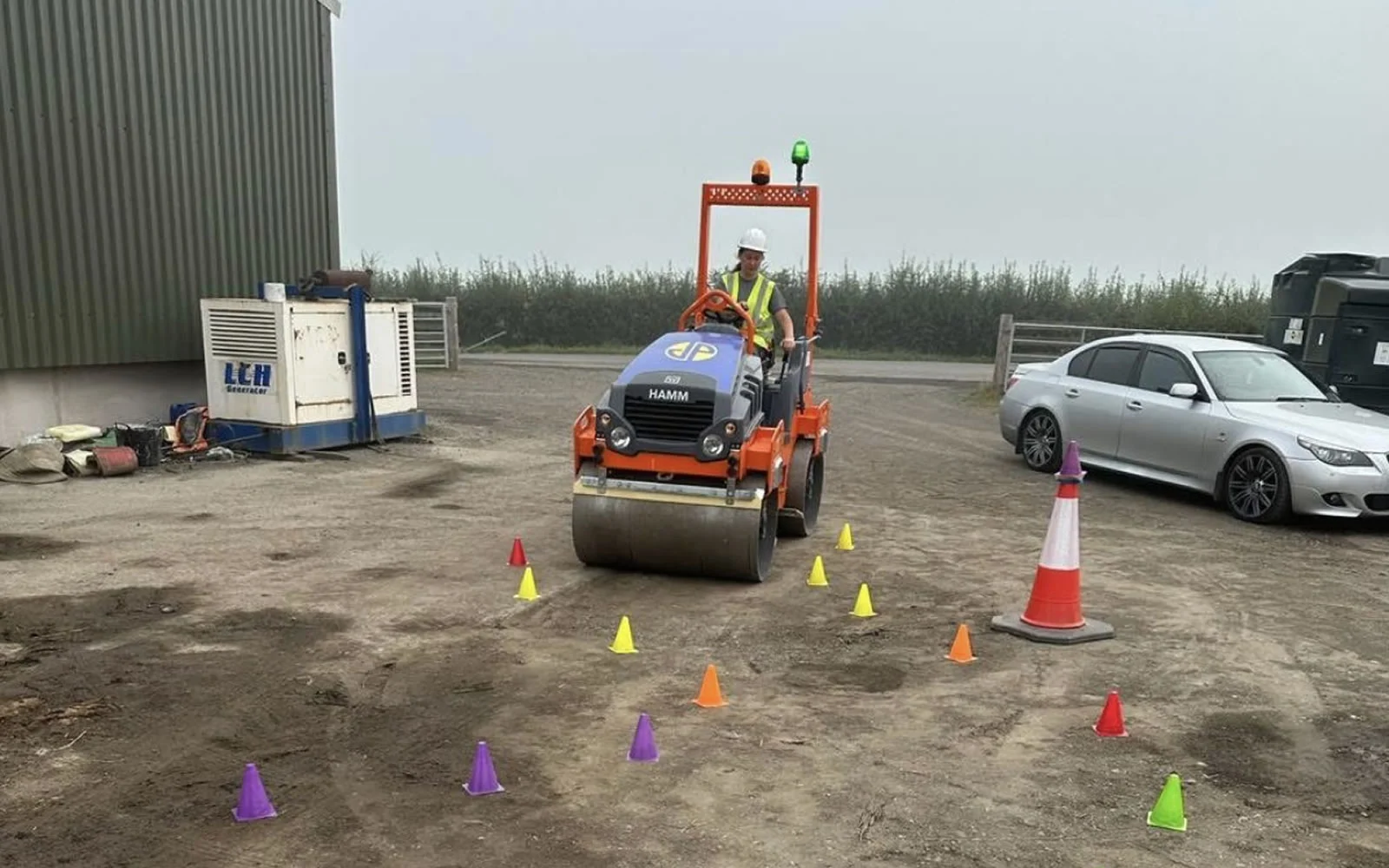
Passing an NPORS test gives you a red Trained Operator card. To upgrade to the blue Competent Operator card you complete an NVQ or SVQ on the machine while you work. NPORS cards carrying the CSCS logo are accepted on construction sites across the UK.
See our plant training for courses, and read how we became an NPORS centre.
Next steps
Funding, apprenticeships and jobs
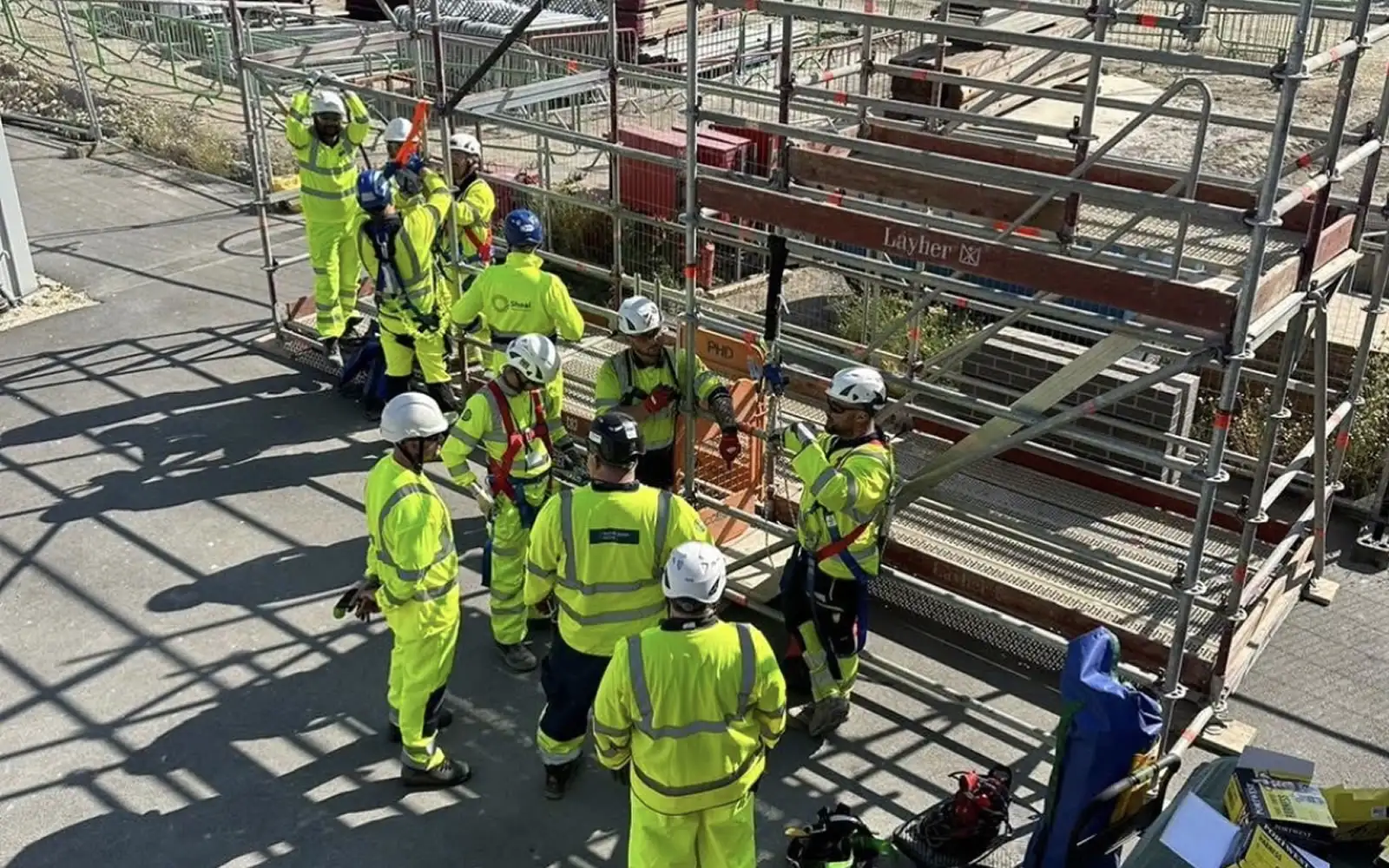
Funding can cover some or all of your training, depending on where you live and your circumstances, and we check what applies before you book. In Scotland, Modern Apprenticeships combine paid work with training, and Skills Development Scotland’s My World of Work is where you manage your funding applications.
We post local vacancies on our Facebook page, so it is worth following once you have passed.
- NithcreeFunding for your trainingScottish funding, No One Left Behind and English schemes.
- My World of WorkSkills Development Scotland fundingCreate an account and apply for training funding.
- apprenticeships.scotApprenticeship vacanciesModern Apprenticeships in transport and logistics across Scotland.
- FacebookNithcree vacancies and newsThe latest local driving jobs we hear about.
Still stuck?
We’re at the end of the phone
Forms, theory bookings, medicals or which course to take: call us on 01387 256528 or 01387 251555 and we will help. Training in Dumfries and need somewhere to stay? We send out bed and breakfast recommendations, including one round the corner from the centre, when you book.
Contact usWhat is the difference between HGV Class 1 and Class 2?
Class 2 is the old name for Category C: rigid lorries over 3.5 tonnes, such as tippers and curtainsiders. Class 1 is Category C+E: articulated lorries, and rigid lorries towing a trailer over 750kg. HGV and LGV mean the same thing; LGV is the term the DVSA uses.
Do I need a medical to get an HGV licence?
Yes. You send a D4 medical report, completed by a doctor, with your D2 application for provisional lorry entitlement. Lorry drivers renew their medical at 45, then every five years until 65, then every year.
Which theory tests do I need to pass?
The lorry theory test has two parts, multiple choice and hazard perception, taken at a DVSA test centre. If you will drive for a living you also need the Driver CPC case study test. Theory passes last two years, so plan your practical training within that window.
Do you help with the theory tests?
Yes. If you are training with us we book your theory tests with you, and offer free one-to-one theory tuition with mock tests at our Dumfries centre. We can also enrol you on DTS Anytime, an online platform covering all three tests, where we can see your progress. See theory test resources.
Can I go straight to Class 1 without passing Class 2 first?
Yes. Since DVSA rule changes in 2021 you can train and test on an articulated lorry without holding Category C first. See our Direct Access C+E course. We will talk through whether going direct or stepping up suits your experience.
How old do I need to be to train?
You can apply for provisional lorry entitlement from 18. Some rules on what you can drive professionally depend on your age and Driver CPC status, so call us if you are under 21 and we will explain what applies to you.
Ready when you are
Book a course or ask a question